The Caregiver's Guide to Trial Discovery
The Caregiver's Guide to Trial Discovery: Navigating the Path to New Options
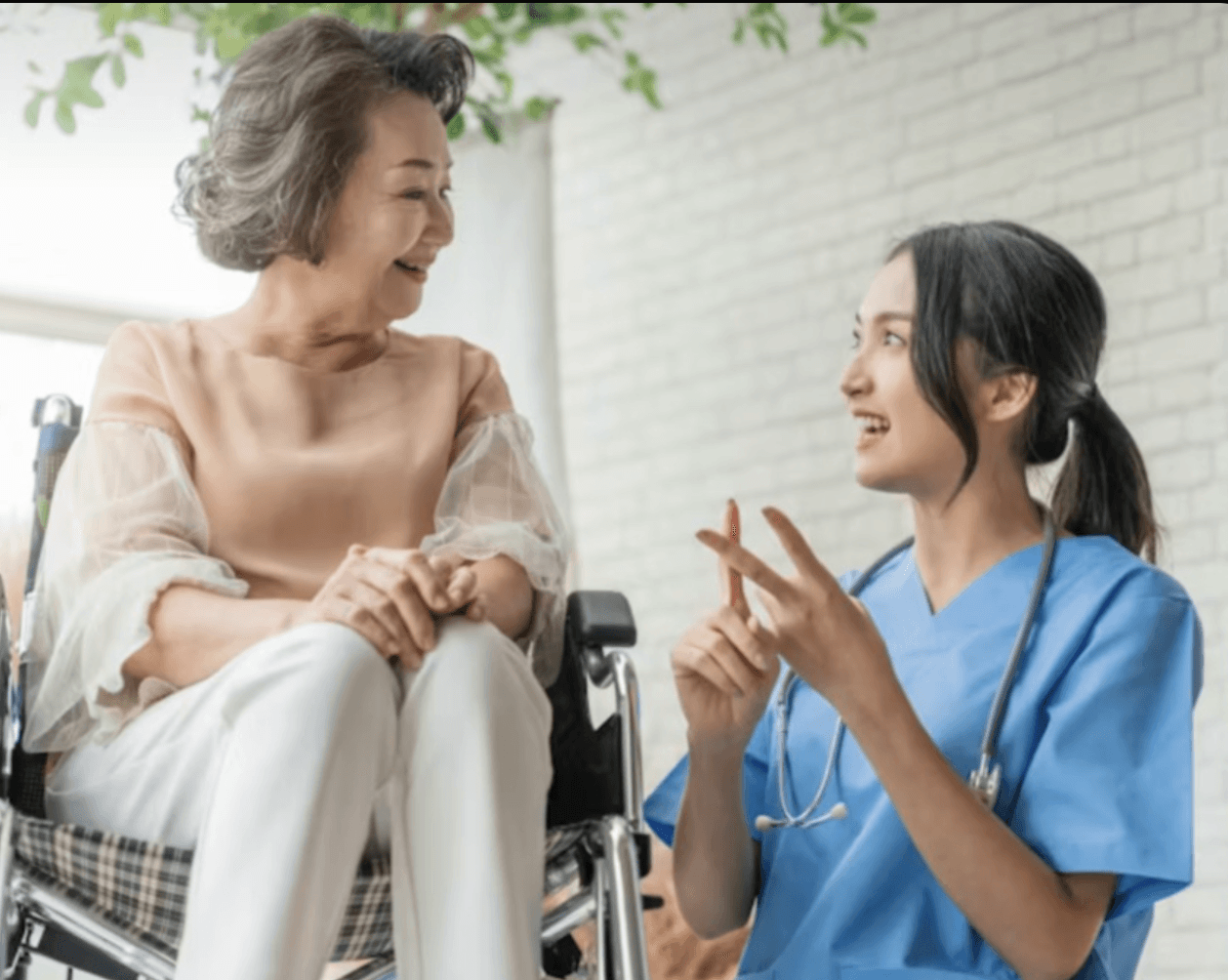
When a loved one receives a complex diagnosis, the family dynamic shifts instantly. Suddenly, you are not just a spouse, child, or friend, you may now be a researcher, a medical advocate, and a logistics coordinator. In the clinical trial ecosystem, caregivers and family members often serve as the primary discovery channel, particularly in oncology and neurology, where patients may be too overwhelmed or physically unable to lead their own searches.
If you are in this position right now, I want you to know that what you are doing matters. And you don't have to figure it out alone.
What Nobody Tells You
Here is what nobody tells you about being a caregiver, you become responsible for navigating a fundamentally broken system overnight. Research show caregivers experience a large association between their burden and anxiety symptoms, with studies finding that approximately 28.6% of caregivers experience clinically relevant anxiety and burden intensifies over time.The stakes could not be higher. For many patients who have exhausted standard care, trials represent the only path forward. Yet less than half of clinical trials explicitly state caregiver responsibilities on their information page, leaving caregivers blindsided by the true scope of what they may be committing to
Caregivers are expected to identify relevant trials, decode eligibility criteria, coordinate with multiple doctors, and manage logistics all while watching someone they love go through one of the most difficult experiences of their life. The burden of discovery falls almost entirely on families, and the system provides virtually no support.
What You Should Know From Day One
After reviewing caregiver testimonials, I have heard consistently what information caregivers would like to receive but rarely do. Here is what we believe you should know from day one. Don't feel pressure to become a medical expert overnight. Focus on these key factors.
Phases of a trial: Phase I tests safety in small groups. Phase II tests effectiveness. Phase III compares new treatments to standard care.
Eligibility essentials: Keep a one page summary with age, disease stage, prior treatments, and any biomarkers such as specific genetic mutations. You will reference this constantly.
Logistics that matter: How often are visits required? Is telehealth an option? Does the sponsor cover travel and lodging expenses? A recent study found that 43% of caregivers identify transportation as a significant contribution. These practical details often determine feasibility more than medical criteria.
The Role Caregivers Actually Play
The data demonstrates that caregivers can make or break participation in a clinical trial. The current dropout rate is 30%, and caregivers play a significant role in retention by facilitating visits, supporting medication adherence, and maintaining overall wellness at home. Research shows that caregivers contribute across multiple domains: all provide emotional support, 86% assist with treatment decision-making, and 76% manage symptoms and medications, yet these contributions often go unrecognized. The reality is that caregivers are critical to recruitment, enrollment, and retention, yet the clinical trial enterprise has yet to fully engage them as partners. We are filling gaps that should not exist. And while we continue to advocate for policy changes that recognize caregiver contributions, we need tools that work now.
You Shouldn't Have to Work This Hard
Legacy systems should be better. You should not have to work this hard. But until that changes, know that your advocacy is making a real difference. Every appointment you attend, every call you make to the doctor contributes not just to your loved one's care, but to the advancement of medicine itself. At Find My Clinical Trial, we built a platform with caregivers in mind. We understand that you are juggling impossible responsibilities while trying to find hope for someone you love. Our system translates complex medical information into plain language matches because you should not need a medical degree to navigate this process. We help identify logistical considerations and telehealth options because we know distance matters. We partner with patient advocacy groups because we understand that doing this alone is overwhelming.
You Are Not Alone
Beyond any single platform, what caregivers need most is recognition and community. Connect with other families going through this. Join support groups. Share what you learn. The knowledge you are gathering through exhausting research could help someone else's loved one. Research is finally catching up to what we have always known, we must treat caregivers as partners, not just extensions of patients. We thank you for being a partner in this process and for everything you do to advance the future of medicine.
References
Written by Tanisha Koncharla